
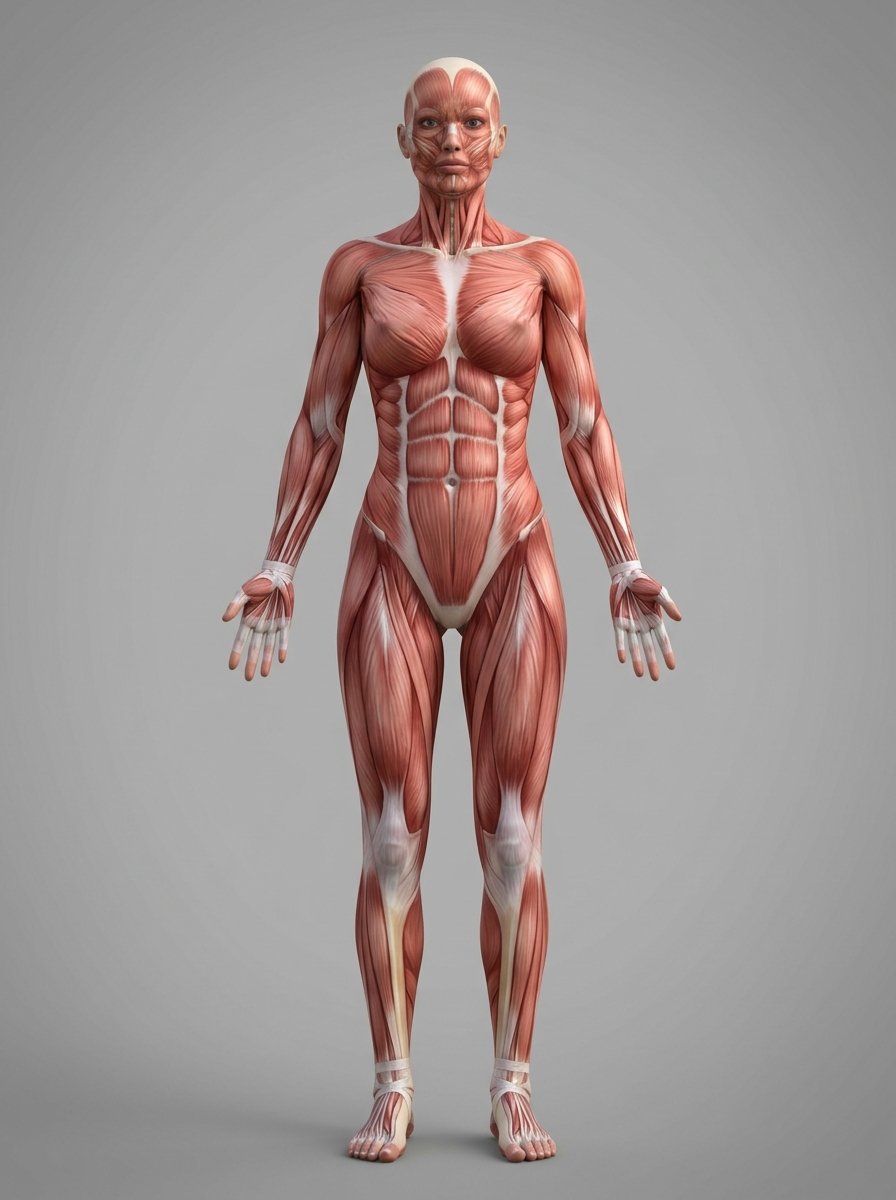
Yogik Sharir Vigyan: How Yoga Biomechanics Heals the Human Body
Yogik Sharir Vigyan (Yogic Anatomy & Biomechanics) is the integration of classical Hathayoga principles with modern musculoskeletal kinesiology. Unlike gymnastic stretching, therapeutic asana practice systematically balances agonist-antagonist muscle pairs, decompresses intervertebral spinal discs via osmotic imbibition, stimulates neuro-endocrine glands through bandhas, and calms systemic autonomic tone through diaphragmatic vagal modulation.
The 4 Biomechanical Pillars of Therapeutic Yoga
1. Spinal Decompression & Disc Nutrition
Intervertebral discs have no direct blood supply in adults; they receive nutrients exclusively through osmotic fluid exchange during alternating spinal flexion, gentle traction, and elongation. Postures like Makarasana and supported Setu Bandhasana gently reduce intradiscal pressure at L4-L5 and L5-S1.
2. Antagonistic Reciprocal Inhibition
Based on Sherrington's neurological law of reciprocal innervation, actively contracting an agonist muscle (e.g. Quadriceps in Supta Padangusthasana) triggers immediate neuromuscular relaxation in the tight antagonist muscle (Hamstrings), releasing chronic stiffness without tears.
3. Glandular Perfusion via Bandhas
Classical Bandhas (Jalandhara, Uddiyana, Mula) act as biological pressure valves. Compressing the neck or abdomen temporarily pools venous blood; releasing the lock triggers a powerful influx of oxygenated arterial wash through the thyroid, pancreas, and adrenal vascular beds.
4. Vagal Tone & Cortisol Downregulation
Extended exhalation (Langhana pacing, 1:2 ratio) mechanically activates pulmonary stretch receptors, sending afferent impulses through the vagus nerve (Cranial Nerve X). This suppresses adrenal cortisol production and optimizes Heart Rate Variability (HRV).