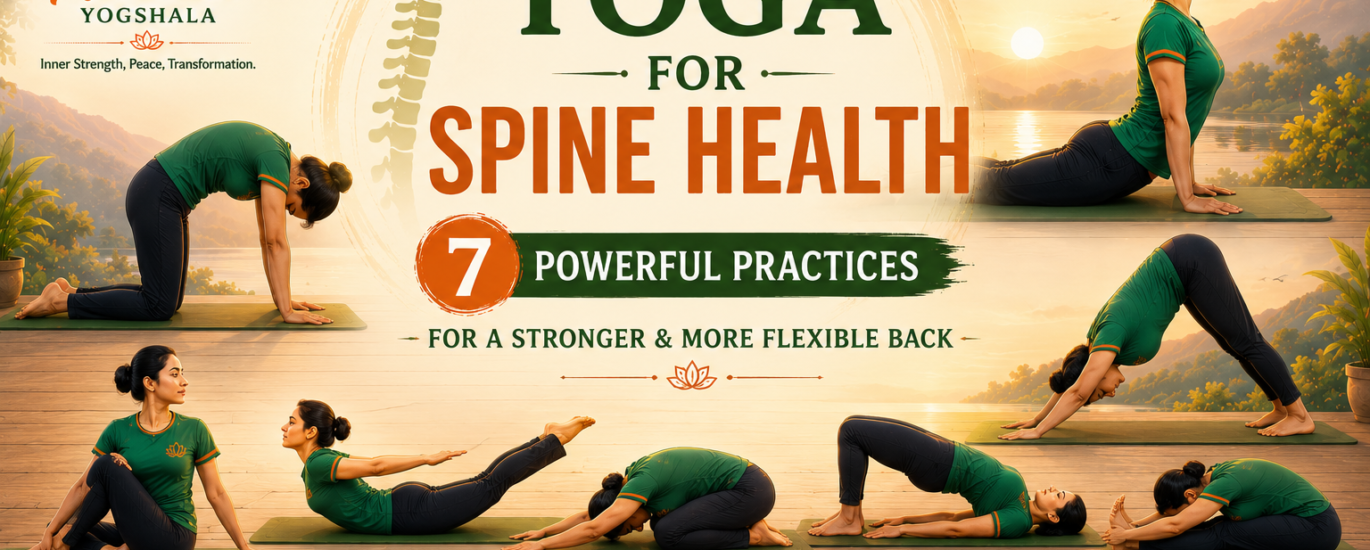




Yoga for Spine Health is one of the most effective natural approaches to maintaining flexibility, posture, mobility, and overall well-being. The spine serves as the central support structure of the body, helping us stand, walk, bend, twist, and perform countless daily activities. Yet modern lifestyles often place tremendous strain on this vital structure.
Long hours of sitting, poor posture, lack of movement, stress, and excessive screen time can gradually affect Spine Health. Many people experience stiffness, reduced flexibility, and discomfort without realizing that their daily habits are contributing to these issues.
Yoga offers a gentle and holistic approach to caring for the spine. Through mindful movement, conscious breathing, and proper alignment, yoga helps maintain the natural strength and flexibility of the back while promoting balance throughout the body.
In the yogic tradition, the spine is considered more than a physical structure. It is often regarded as the central pathway through which vital energy flows.
Maharishi Patanjali describes the essence of yoga as:
“योगश्चित्तवृत्तिनिरोधः”
Yoga is the calming of the fluctuations of the mind.
When the mind becomes calmer and the body becomes more balanced, overall health naturally improves.
Why Spine Health Matters
Spine Health influences almost every aspect of daily life. A healthy spine supports movement, balance, posture, and physical comfort. It also protects the spinal cord, which serves as an important communication pathway between the brain and the rest of the body.
When spinal mobility becomes restricted, simple activities such as sitting, standing, walking, and lifting objects may become more difficult.
Good Spine Health contributes to:
- Better posture
- Improved flexibility
- Enhanced mobility
- Greater physical comfort
- Better breathing mechanics
- Increased energy levels
Protecting the spine should be considered a lifelong investment in health and wellness.
The Yogic View of the Spine
Ancient yogic texts place great importance on spinal alignment and stability.
The Hatha Yoga tradition teaches that physical health supports mental clarity and spiritual development. A strong and flexible spine allows the body to remain comfortable during daily activities as well as meditation and breathing practices.
Patanjali explains:
“स्थिरसुखमासनम्”
A posture should be steady and comfortable.
This principle applies not only to meditation but also to daily living. A healthy spine supports stability, comfort, and balance in all aspects of life.
How Yoga Supports Spine Health
Yoga for Spine Health works through several mechanisms.
First, yoga improves flexibility in the muscles surrounding the spine. Second, it strengthens the core and back muscles that provide support and stability. Third, yoga develops body awareness, helping practitioners recognize poor posture and unhealthy movement patterns.
Regular practice may help:
- Improve posture
- Enhance spinal mobility
- Strengthen supporting muscles
- Reduce stiffness
- Improve flexibility
- Encourage mindful movement
Unlike intense exercise routines, yoga focuses on balance rather than force, making it accessible for many people.
Practice 1: Tadasana – Building the Foundation
Tadasana, or Mountain Pose, appears simple but teaches one of the most important lessons in Yoga for Spine Health: alignment. Standing with awareness helps improve posture and develop a balanced relationship between the feet, hips, shoulders, and spine.
Regular practice of Tadasana may help:
- Improve posture awareness
- Strengthen postural muscles
- Promote spinal alignment
- Increase body awareness
A strong foundation supports a healthy spine.
Practice 2: Konasana – Creating Space in the Spine
Konasana is a gentle side-bending posture that stretches the muscles along the sides of the torso and spine. Modern lifestyles often create tightness in the waist, shoulders, and upper back. Konasana helps restore mobility and flexibility in these areas.
Benefits include:
- Improved lateral flexibility
- Reduced stiffness
- Better posture
- Enhanced spinal mobility
The movement should remain smooth and comfortable without forcing the stretch.
Practice 3: Ardha Kati Chakrasana – Improving Flexibility
Ardha Kati Chakrasana is one of the most effective beginner-friendly practices for maintaining Spine Health. This posture gently stretches the waist and improves flexibility throughout the side body.
Regular practice may help:
- Improve spinal flexibility
- Reduce stiffness
- Strengthen supporting muscles
- Enhance balance and coordination
The pose also encourages mindful breathing, which promotes relaxation.
Practice 4: Marjariasana – Mobilizing the Spine
Marjariasana, commonly known as Cat Stretch, is one of the best practices for spinal mobility. The rhythmic movement of arching and rounding the back helps lubricate spinal joints and increase flexibility.
Benefits include:
- Improved spinal movement
- Better posture
- Reduced stiffness
- Enhanced coordination between movement and breath
This practice is especially useful for people who spend long hours sitting.
Practice 5: Bhujangasana – Strengthening the Back
Bhujangasana, or Cobra Pose, is highly beneficial for developing strength in the back muscles. The posture gently extends the spine while opening the chest and shoulders.
Benefits may include:
- Improved posture
- Stronger back muscles
- Better spinal extension
- Increased flexibility
Bhujangasana should be practiced gradually and without strain.
Practice 6: Trikonasana – Balancing Strength and Flexibility
Trikonasana stretches and strengthens multiple muscle groups simultaneously. This posture promotes flexibility in the legs, hips, waist, and spine while improving balance and coordination.
Benefits include:
- Increased flexibility
- Better posture
- Improved spinal mobility
- Enhanced body awareness
The pose encourages both stability and expansion.
Practice 7: Shashankasana – Relaxing the Back
Shashankasana, often called Moon Pose or Hare Pose, provides gentle relaxation for the spine and surrounding muscles. This posture encourages release of tension while promoting calm breathing.
Benefits include:
- Gentle spinal stretching
- Relaxation of back muscles
- Improved flexibility
- Reduced mental stress
The combination of physical release and mental calmness makes it a valuable addition to any routine.
Daily Yoga Routine for Spine Health
A simple daily Yoga for Spine Health routine may include:
- Tadasana
- Konasana
- Ardha Kati Chakrasana
- Marjariasana
- Bhujangasana
- Trikonasana
- Shashankasana
Practicing these postures for fifteen to twenty minutes daily can support mobility, flexibility, and postural awareness.
Consistency is more important than intensity.
Important Precautions
- Yoga should always be practiced with awareness and respect for the body’s limitations.
- Avoid forcing movements or pushing beyond comfortable ranges of motion.
- If you have a medical condition, recent injury, or severe spinal issue, seek appropriate professional guidance before beginning a new exercise program.
- Yoga is most beneficial when practiced patiently and consistently.
Final Thoughts
Yoga for Spine Health offers a powerful yet gentle way to support one of the body’s most important structures. Through mindful movement, proper breathing, and regular practice, yoga helps improve flexibility, posture, strength, and body awareness.
A healthy spine contributes to a healthier life.
By dedicating a few minutes each day to these seven practices, you can nurture your spine, improve mobility, and create a stronger foundation for long-term wellness.
As the yogic tradition teaches, balance begins with awareness. Caring for the spine is not merely about avoiding discomfort—it is about supporting vitality, movement, and well-being throughout life.